

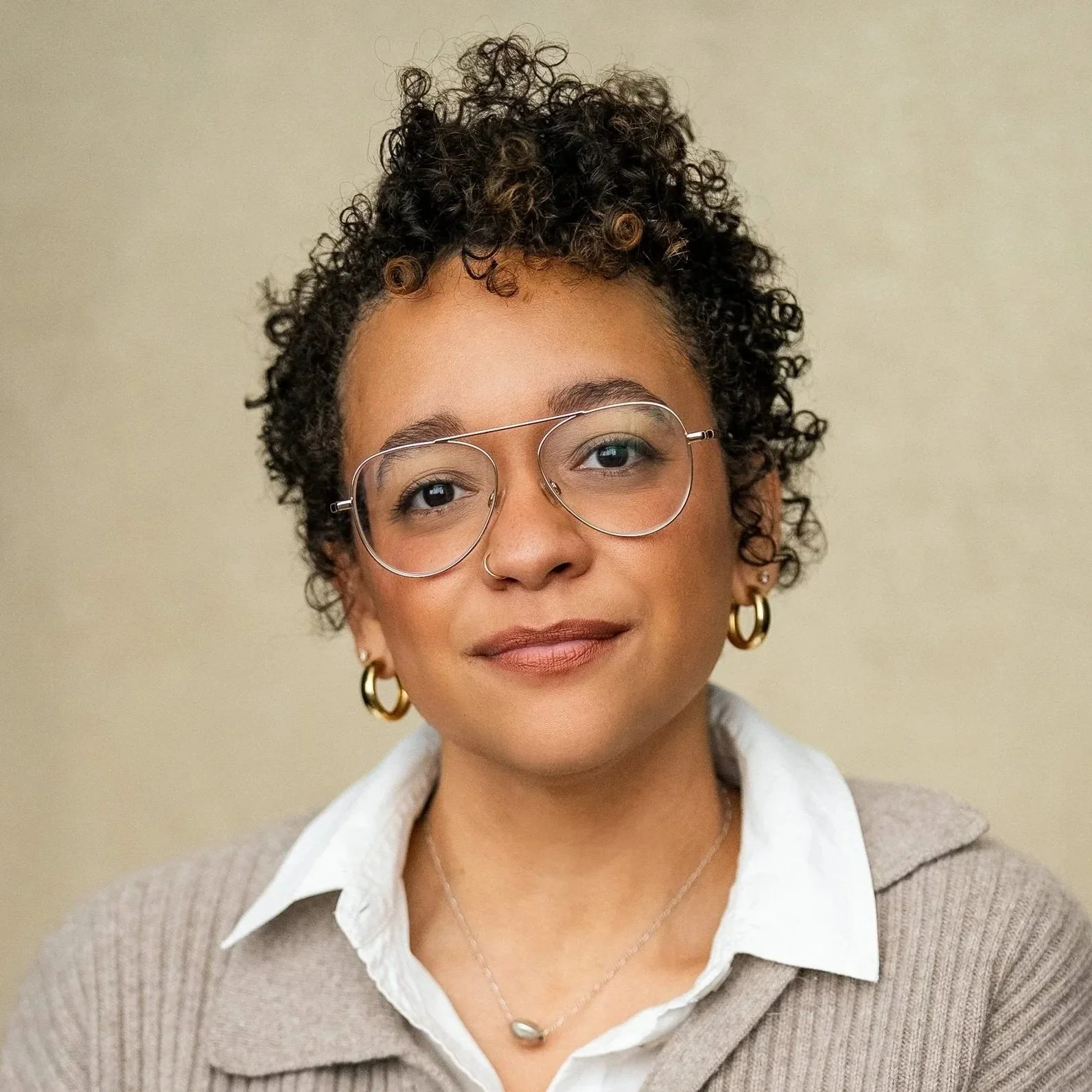
Chelsea Trout, LMSW (she/her)
Psychotherapist
I believe that who we are is deeply shaped by the worlds we've moved through. I've always been drawn to the tender, complex process of understanding ourselves — how our identities, experiences, and values quietly weave together to become the lives we're living. That curiosity is at the heart of everything I do. As a Black, multi-racial identified therapist, I work to build a space that is genuinely affirming, culturally responsive, and adaptive to you.
My practice is rooted in anti-oppressive and decolonial values. I bring a psychodynamic and relational lens to my practice, meaning I pay close attention to the patterns, histories, and relationships that shape how you show up in the world. My approach is also grounded in somatic and trauma-informed frameworks, drawing from Internal Family Systems (IFS), Dialectical Behavior Therapy (DBT) and Eye Movement Desensitization and Reprocessing (EMDR). I believe the body holds what the mind sometimes can't yet reach, and healing often lives at that intersection. Therapy, to me, is a collaboration: you are the expert on your own life, and I am here as a curious, invested partner in that process.
I work with teens, adults, and couples navigating identity, relationships, transitions, and the weight of lived experience. I have a particular connection to the complexities of racial identity, queerness, and the intersections where those stories meet.
I’m available to meet with clients virtually for online video sessions.
Together, we'll work toward helping you:
Reconnect with who you are beneath the stories you've inherited or been told
Build a relationship with yourself rooted in curiosity rather than criticism
Make sense of how your history shows up in your present, and reclaim agency in that
Deepen and repair important relationships
Find home in your identity, your body, and your life
I have experience treating:
Racial identity development, cultural grief, and the complexity of multi-racial experience
LGBTQ+ identity exploration and queer relationship dynamics
Relational trauma, attachment wounds, and patterns in relationships
Adolescents navigating self-discovery, social pressures, and family dynamics
Couples seeking deeper connection, communication, or support through transitions
Anxiety and depression
Trauma and complex experiences related to marginalized identities