

Why We Can't Think Our Way Out of Every Feeling
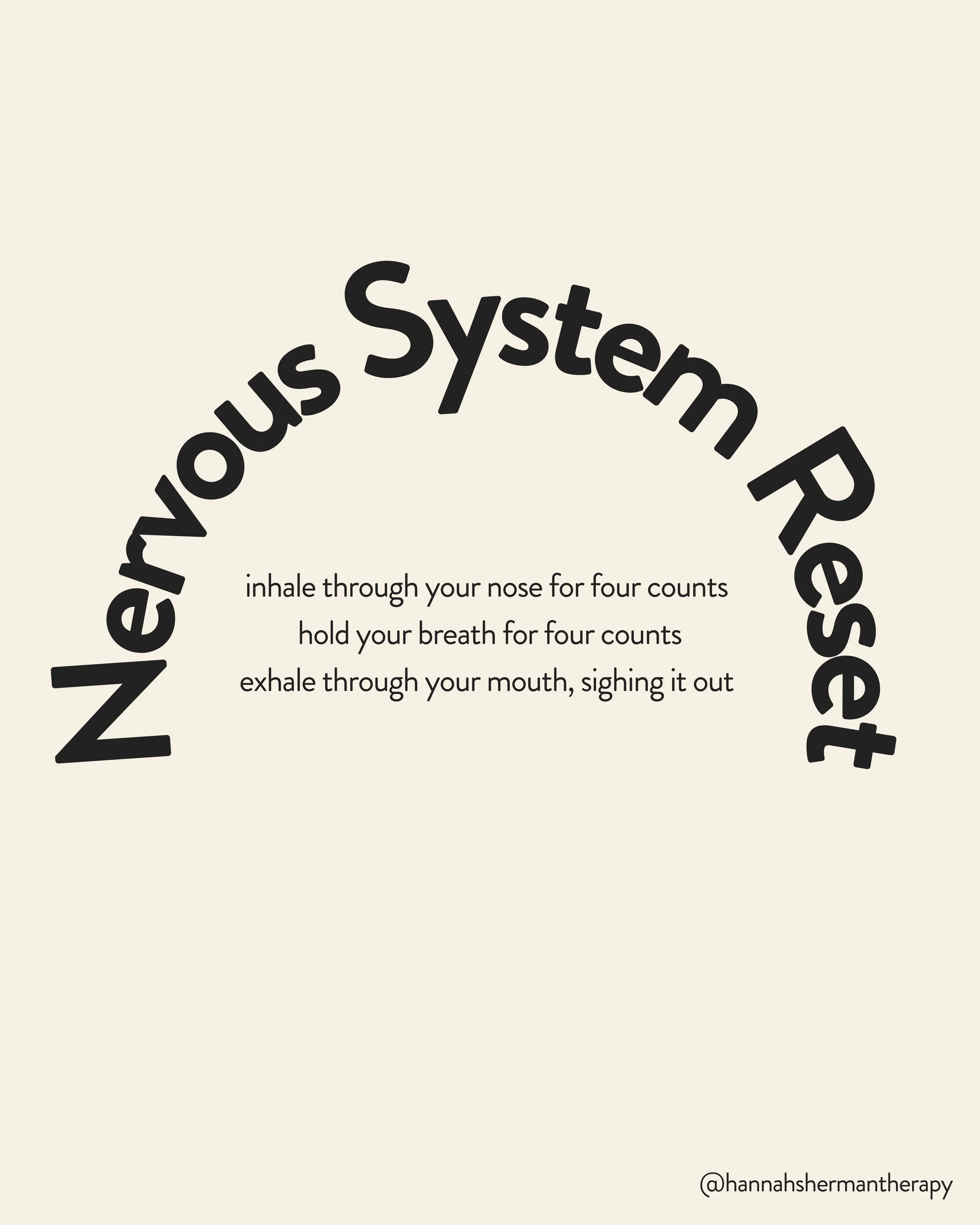
We've all had moments where we've known exactly why we were feeling a certain way, and yet, nothing changed. Maybe you've reminded yourself:
"I'm safe now." or, "I know rationally they're not upset with me."
And still, your heart races, your shoulders tense, your stomach drops. You find yourself shutting down, over-explaining, pulling away, or bracing for the worst.
It can be incredibly frustrating to understand what's happening and still feel unable to respond differently. The truth is: insight is powerful, but it isn't always enough. Your body is also very much part of the story.
Many of us think of emotions as something that happens in our minds, but emotions are also physiological experiences: anxiety might show up as a tight chest, grief as heaviness in your limbs, shame as heat in your face, or anger as tension in your jaw.
Long before we can explain what we're feeling, our bodies have often already begun responding. Our nervous system is constantly taking in information, usually asking an important question: Am I safe?
Sometimes that answer is shaped not only by what's happening today, but also by what we've lived through. Past experiences, especially overwhelming or chronic ones, can teach our bodies to stay alert, even after the danger has passed. That's not because we're "overreacting." It's because our nervous systems are trying to protect us using patterns that once made sense.
What somatic work looks like
Healing isn't only about changing thoughts, but it’s also about helping the nervous system discover that the present is different from the past. Somatic therapy isn’t about analyzing your body, but learning how to slow down and listen to it.
In therapy, this might look like:
Noticing your breathing before you answer a difficult question
Paying attention to where you feel anxiety in your body rather than immediately trying to make it disappear
Noticing your feet on the floor when talking about something vulnerable, helping your body stay connected to the present moment
This could also involve therapeutic approaches like Eye Movement Desensitization and Reprocessing (EMDR) or other trauma-informed therapies that help the brain and nervous system process experiences that still feel emotionally "stuck."
When we begin to understand our thoughts, notice our body's signals, and approach ourselves with curiosity instead of judgment, change often becomes not just something we understand, but something we begin to feel.