Supporting Mood Shifts As The Seasons Change
As the clocks turn back and daylight fades earlier, many of us may notice a dip in energy, motivation, or mood. These shifts are natural as our bodies and minds respond to less sunlight and more time indoors. November invites us to slow down and to care intentionally for our emotional wellbeing.
Shorter days mean less natural light, which can impact sleep, energy, and mood. For some, this looks like “winter blues.” For others, it can bring more noticeable feelings of sadness or irritability. Small, mindful practices make a big difference in supporting our mood.
Four Self-Care Strategies for Colder Months:
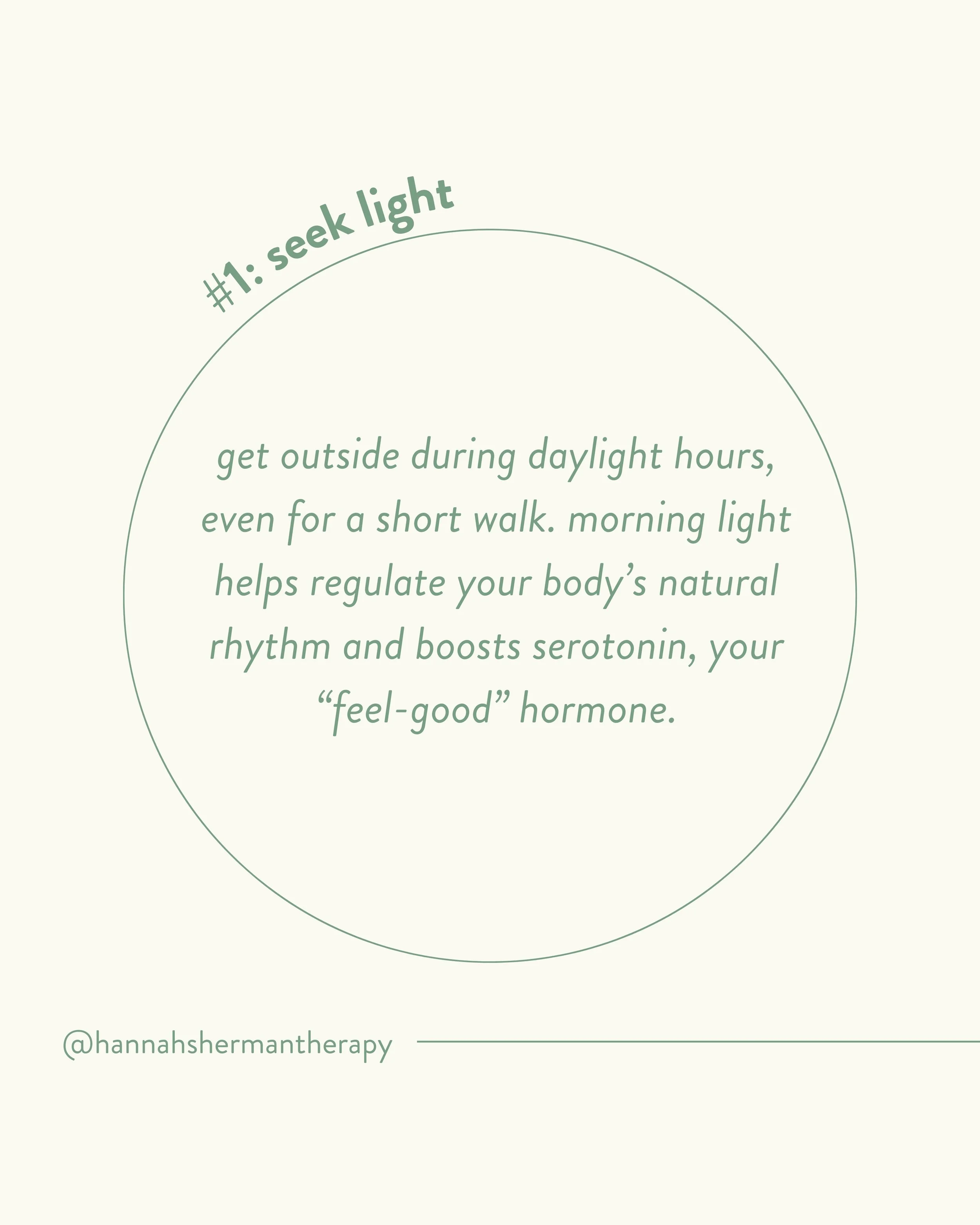
Seek Light: Get outside during daylight hours, even for a short walk. Morning light helps regulate your body’s natural rhythm and boosts serotonin, your “feel-good” hormone.
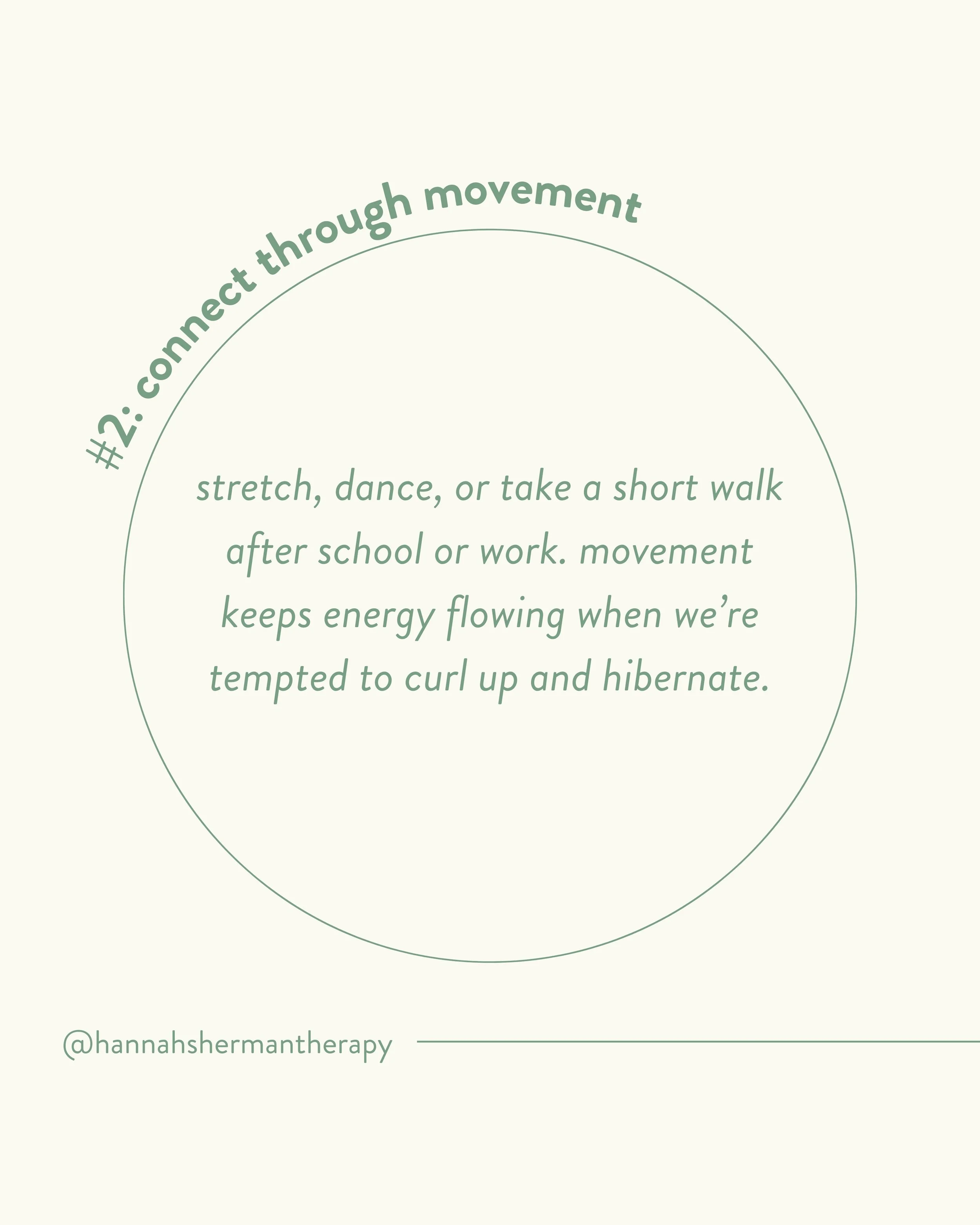
Connect Through Movement: Stretch, dance, or take a short walk after school or work. Movement keeps energy flowing when we’re tempted to curl up and hibernate.
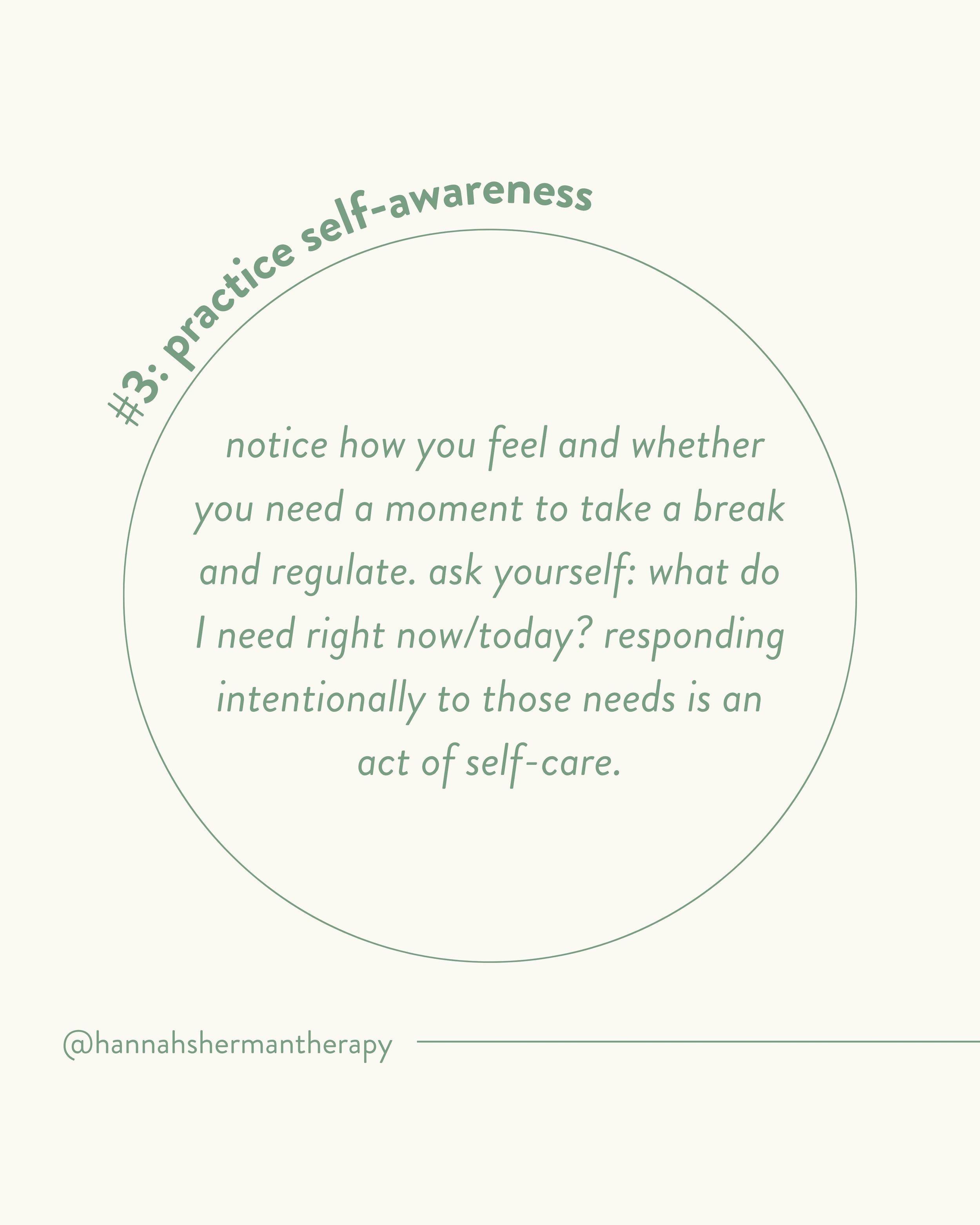
Practice Self-Awareness: Give yourself many opportunities to notice how you feel and whether you need a moment to take a break and regulate. Ask yourself: What do I need right now/today? A nap? Company? Fresh air? Responding intentionally to those needs is an act of self-care.
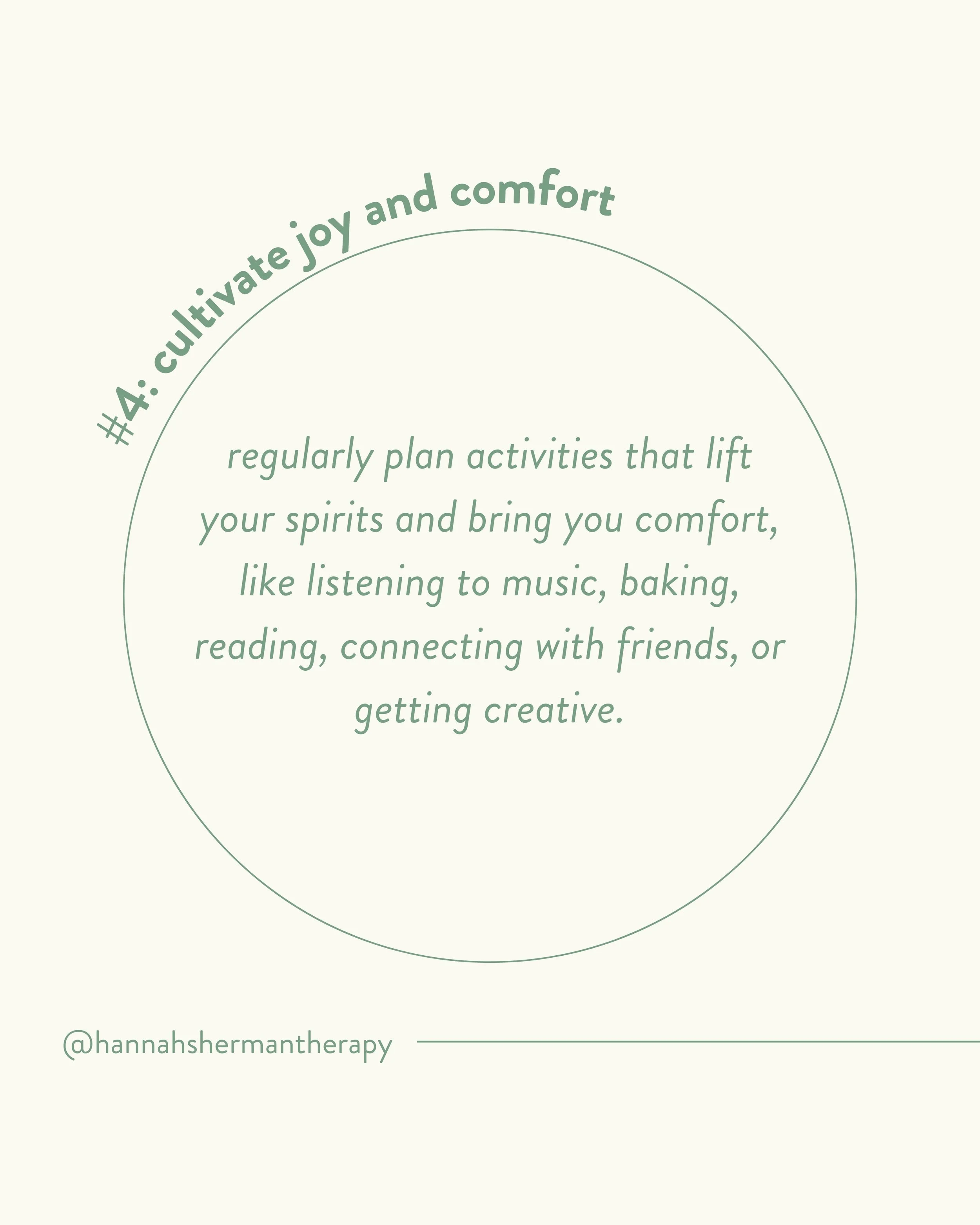
Cultivate Joy: Regularly plan activities that lift your spirits and bring you joy, like listening to music, baking, reading, connecting with friends, or getting creative.
Children and teens may show their seasonal shifts through irritability, tiredness, or withdrawal. Keep routines consistent, encourage outdoor time, and model taking care of your own mental health. Simple opportunities for connection like talking, cooking together, and sharing gratitude all go a long way.